



The radiator in your car has the vital role of reducing heat generated by the engine. Essentially, the radiator works with the cooling system in your engine to disperse coolant through the engine and circulate cool air through the engine. When your car is overheating, you should schedule radiator repair at your Chevy dealer.
Does Your Chevy, Buick, or GMC Need a Radiator Repair?
The most common sign of a faulty radiator is an engine that frequently overheats. An overheating engine once in a blue moon might not be a cause for concern, but overheating episodes several times a week is a major red flag. You may also need to repair your radiator if you notice shifting issues or if the heating in your cabin doesn’t work effectively.
Another common sign of radiator issues is leaking fluid. Coolant tends to be green, red, pink, or yellow, so if you see a puddle beneath your car in any of these shades, you might have a coolant leak. Sometimes, coolant fluid can look dirty or rusty, which is a sign that your radiator is contaminated or clogged.
Should You Drive with an Overheating Engine?
If you notice your engine is overheating, you should stop driving as soon as possible. Driving with an overheating engine caused by a faulty radiator can cause significant damage to your engine. Sometimes, damage from overheating can require a total engine replacement.
To cool down your car quickly when it’s overheating, you should pull over on the side of the road and turn on your heater to start siphoning some heat from the engine. After about 15 minutes, you can pop the hood and add coolant to the radiator. From there, you should call for a tow or drive to your dealership for repairs.
What Happens During Radiator Service at Your Chevy Dealer?
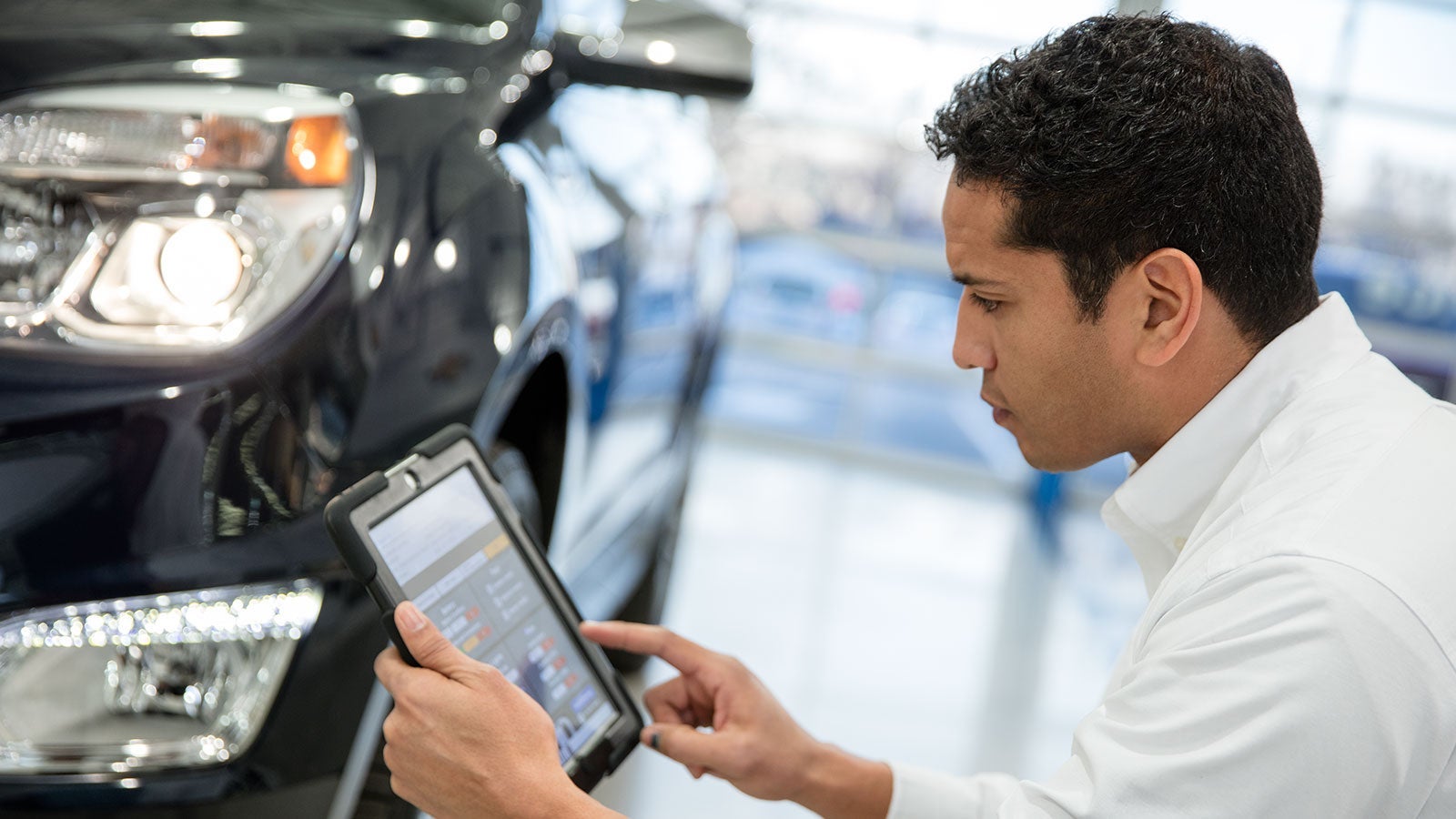
Repairing your radiator starts with examining the component for visible damage. During your radiator service, a mechanic will drain the coolant from the radiator and inspect the radiator for cracks that might cause leaks. Then, new coolant will be added to the radiator to circulate through the component before being drained once more. After the radiator is completely flushed, fresh coolant will be added to complete the service.
If your mechanic identifies major damage to your radiator, a replacement may be recommended. Replacing your radiator might happen on the same day if your dealership has the part in stock. Overall, repairing or replacing your radiator can take several hours.
If you believe the cause of your overheating engine is related to your radiator, you should schedule service at your dealership right away. The best way to protect your vehicle from overheating damage is to address problems with your radiator as soon as possible. Get in touch with Stan King GM SuperStore to schedule a service appointment today.
Connect with us


Recent Blog Entries
- Chevrolet Silverado 1500 vs GMC Sierra 1500 in Brookhaven, MS
- Discover the 2026 Chevrolet Equinox: A Blend of Style and Performance
- 2026 Chevrolet Silverado 1500 Towing Capabilities That Feel Dialed In
- 5 Benefits of GM Certified Service at Stan King GM SuperStore
- Exploring the Bold Exterior Features of the 2026 GMC Sierra 2500